

 Image 1 of 1
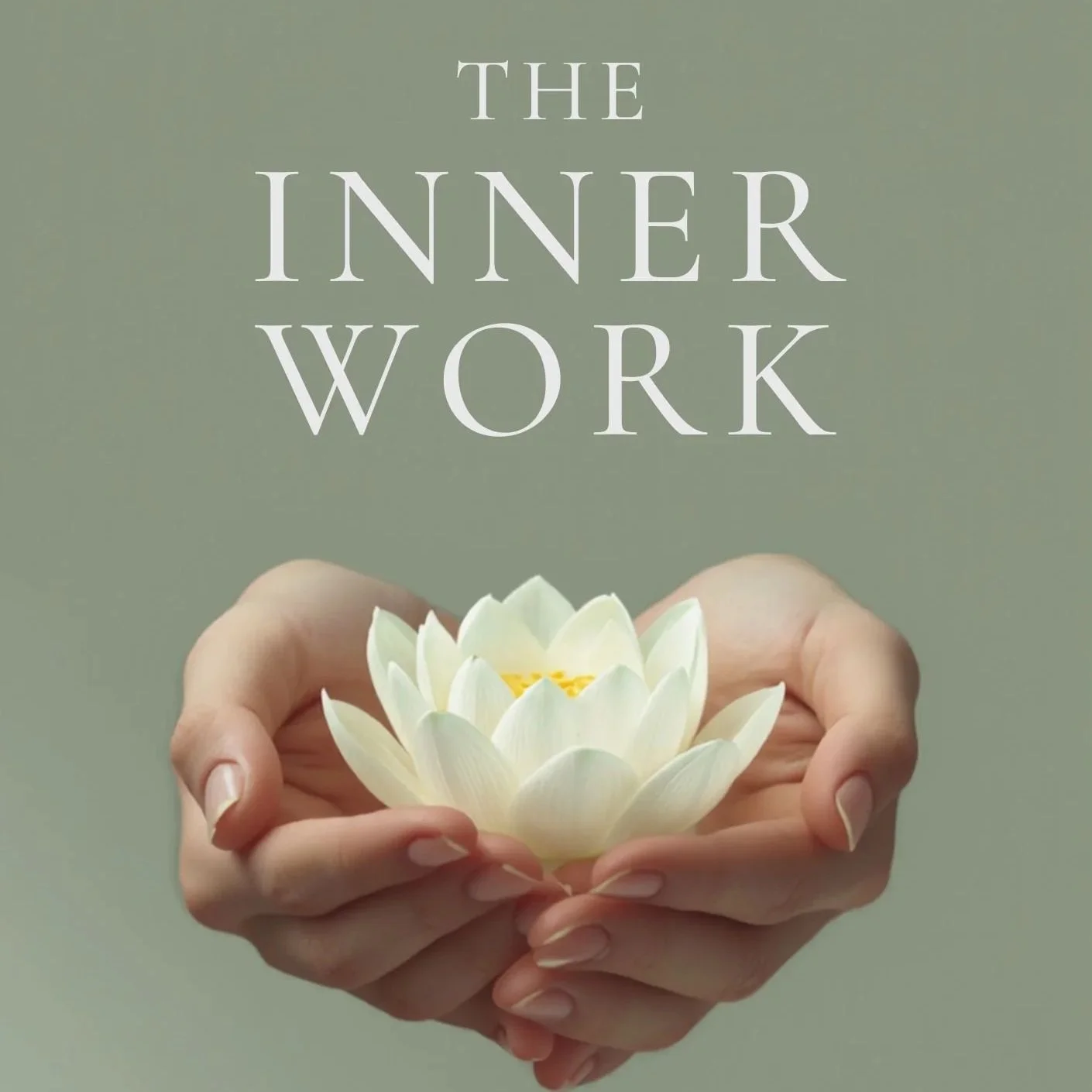
The Inner Work - (PDF) - By Adeline Delamer - 420 pages
The deeper work begins after the insight arrives.
Understanding the wound is the beginning. Learning to live differently after the understanding arrives is the work of a life.
The Inner Work is a map of that middle passage — the often-unseen terrain between knowing what hurt you and becoming someone who can live from wholeness. It moves like breath through five movements and twenty-six chapters, each paired with a Field Note: a simple practice for letting the body catch up to what the mind already knows.
It is written as companionship. It will not tell you that everything happens for a reason. It offers something steadier: a way to carry what happened without becoming only what happened. That is the art of healing and integration.
Who This Book Is For
This book is for you if —
You have already understood enough to know that more insight alone will not save you.
You are healing from self-abandonment, estrangement, burnout, moral injury, people-pleasing, over-responsibility, or the ache of having been strong for too long.
You lead, create, teach, parent, or build, and you sense that private fragmentation eventually becomes public harm.
You want healing to become more than relief. You want it to become a life.
Inside the Book — The Six Movements
Part I — Why We Resist explores the protective patterns that often keep healing at the level of insight: the fantasy of fixing, the limits of understanding, the grief beneath avoidance, and the hidden cost of remaining unchanged.
Part II — Learning to Stay teaches the emotional practices that make healing possible. Here we learn to remain present with discomfort and to meet shame, fear, anger, and loneliness with increasing courage and compassion.
Part III — Repair turns toward restoration. These chapters rebuild trust, grieve what cannot be repaired, and gently reclaim desire, play, and belonging after long seasons of contraction.
Part IV — The Foundations forms the philosophical heart of the book.
These chapters explore the enduring truths that underlie a healed life: dignity, safety, rest, identity, grief, emotional friendship, peace, love, contribution, and the quiet remembrance of who we have always been.
Part V — Living From Wholeness asks what healing looks like once it becomes daily life. Responsibility, service, stewardship, and the practice of living with integrity become the natural expressions of inner integration.
Part VI — The Inner Work of a Leader completes the journey by carrying healing into the wider world. Here we explore creativity after survival, influence without performance, authority without domination, regenerative leadership, governance, and stewardship as the outward expression of an integrated life.
Why Read This Book Now
We are living in an age of extraordinary knowledge and extraordinary fragmentation.
Never have we understood so much about trauma, neuroscience, relationships, and psychology.
Yet many of us still struggle to embody what we already know.
We know how to speak about healing.
We do not always know how to live from it.
At the same time, many of our institutions, communities, workplaces, and families continue reproducing fear, urgency, domination, loneliness, and exhaustion.
Private fragmentation inevitably becomes public fragmentation.
The inner life always becomes the outer culture.
This is why healing matters beyond the individual.
An integrated person creates more integrated relationships.
Integrated relationships create healthier communities.
Healthy communities create wiser institutions.
And wise institutions become places where human beings can flourish together.
This book offers no promise of a life without sorrow.
It offers something gentler and, perhaps, more enduring.
A way of living rooted in dignity rather than performance.
In peace rather than perfection.
In love rather than fear.
In stewardship rather than control.
In contribution rather than proving.
The question this book ultimately asks is beautifully simple:
Now that you know...
How shall you live?
The answer begins within.
It never ends there.
The deeper work begins after the insight arrives.
Understanding the wound is the beginning. Learning to live differently after the understanding arrives is the work of a life.
The Inner Work is a map of that middle passage — the often-unseen terrain between knowing what hurt you and becoming someone who can live from wholeness. It moves like breath through five movements and twenty-six chapters, each paired with a Field Note: a simple practice for letting the body catch up to what the mind already knows.
It is written as companionship. It will not tell you that everything happens for a reason. It offers something steadier: a way to carry what happened without becoming only what happened. That is the art of healing and integration.
Who This Book Is For
This book is for you if —
You have already understood enough to know that more insight alone will not save you.
You are healing from self-abandonment, estrangement, burnout, moral injury, people-pleasing, over-responsibility, or the ache of having been strong for too long.
You lead, create, teach, parent, or build, and you sense that private fragmentation eventually becomes public harm.
You want healing to become more than relief. You want it to become a life.
Inside the Book — The Six Movements
Part I — Why We Resist explores the protective patterns that often keep healing at the level of insight: the fantasy of fixing, the limits of understanding, the grief beneath avoidance, and the hidden cost of remaining unchanged.
Part II — Learning to Stay teaches the emotional practices that make healing possible. Here we learn to remain present with discomfort and to meet shame, fear, anger, and loneliness with increasing courage and compassion.
Part III — Repair turns toward restoration. These chapters rebuild trust, grieve what cannot be repaired, and gently reclaim desire, play, and belonging after long seasons of contraction.
Part IV — The Foundations forms the philosophical heart of the book.
These chapters explore the enduring truths that underlie a healed life: dignity, safety, rest, identity, grief, emotional friendship, peace, love, contribution, and the quiet remembrance of who we have always been.
Part V — Living From Wholeness asks what healing looks like once it becomes daily life. Responsibility, service, stewardship, and the practice of living with integrity become the natural expressions of inner integration.
Part VI — The Inner Work of a Leader completes the journey by carrying healing into the wider world. Here we explore creativity after survival, influence without performance, authority without domination, regenerative leadership, governance, and stewardship as the outward expression of an integrated life.
Why Read This Book Now
We are living in an age of extraordinary knowledge and extraordinary fragmentation.
Never have we understood so much about trauma, neuroscience, relationships, and psychology.
Yet many of us still struggle to embody what we already know.
We know how to speak about healing.
We do not always know how to live from it.
At the same time, many of our institutions, communities, workplaces, and families continue reproducing fear, urgency, domination, loneliness, and exhaustion.
Private fragmentation inevitably becomes public fragmentation.
The inner life always becomes the outer culture.
This is why healing matters beyond the individual.
An integrated person creates more integrated relationships.
Integrated relationships create healthier communities.
Healthy communities create wiser institutions.
And wise institutions become places where human beings can flourish together.
This book offers no promise of a life without sorrow.
It offers something gentler and, perhaps, more enduring.
A way of living rooted in dignity rather than performance.
In peace rather than perfection.
In love rather than fear.
In stewardship rather than control.
In contribution rather than proving.
The question this book ultimately asks is beautifully simple:
Now that you know...
How shall you live?
The answer begins within.
It never ends there.